Kombucha has gained popularity in recent years, but questions about its safety still arise. In this blog post, we will delve into is kombucha safe? Saftey is a real question you need to ask when drinking kombucha while exploring its potential health benefits as well as any associated risks. Before we dive in, let’s start by understanding what kombucha actually is and its rise to popularity.
The Safety of Drinking Kombucha: Exploring Health Benefits and Risks
Kombucha is a fermented beverage that is made from tea, sugar, and a symbiotic culture of bacteria and yeast (SCOBY). The SCOBY metabolizes the sugar and produces various beneficial compounds, resulting in a fizzy, tangy, and slightly sweet drink. Here are some key aspects of kombucha and the question Is Kombucha Safe?
Ingredients of Kombucha
The main ingredients of kombucha include:
- Tea: Black tea or green tea is commonly used for brewing kombucha. The tea provides the necessary nutrients and caffeine for the SCOBY to ferment.
- Sugar: The sugar serves as a fuel source for the SCOBY, which consumes it during the fermentation process. However, the sugar content in the final product is significantly lower compared to the initial amount used.
- SCOBY: The SCOBY is a rubbery disc-like culture that consists of various bacteria and yeasts. It plays a crucial role in fermenting the tea and transforming it into kombucha.
The Fermentation Process
The fermentation process of kombucha involves several stages:
- Brewing: Tea leaves are steeped in hot water, and sugar is added to create a sweet tea base.
- SCOBY Introduction: Once the sweet tea has cooled, the SCOBY is added to the mixture. The SCOBY initiates fermentation by metabolizing the sugar.
- Fermentation: The SCOBY consumes the sugar, producing organic acids, vitamins, enzymes, and trace amounts of alcohol. The fermentation process typically takes around one to two weeks, depending on various factors such as temperature and the desired flavor profile.
- Bottling: After fermentation, the kombucha is strained to remove the SCOBY and any solid particles. It is then bottled, often with added flavors or carbonation.
Nutritional Content of Kombucha
Kombucha is known to be a rich source of beneficial compounds which may lend you to thinking is kombucha safe?
- Probiotics: The fermentation process creates a variety of live bacteria and yeast, similar to those found in other fermented foods. These probiotics can contribute to a healthy gut microbiome.
- Organic Acids: Kombucha contains organic acids, such as acetic acid and gluconic acid, which provide its characteristic tangy taste. These acids may have antimicrobial and detoxifying properties.
- Antioxidants: Tea itself is rich in antioxidants, and the fermentation process of kombucha enhances the antioxidant content. Antioxidants help protect the body against oxidative stress and cellular damage.
Potential Health Benefits of Kombucha
Kombucha has been associated with several potential health benefits. While further research is needed, some of the possible advantages include:
Probiotics and Gut Health
The probiotics present in kombucha can support a healthy gut microbiome. A balanced gut microbiota is linked to improved digestion, enhanced immune function, and even mental health benefits. Regular consumption of kombucha may help maintain the diversity and abundance of beneficial gut bacteria.
Antioxidant Properties
The antioxidants found in kombucha, derived from tea and the fermentation process, may contribute to overall health and well-being. Antioxidants help neutralize harmful free radicals in the body, reducing oxidative stress and potentially lowering the risk of chronic diseases.
Detoxification and Liver Health
Some studies suggest that kombucha may have detoxifying effects on the liver. The organic acids produced during fermentation, such as glucuronic acid, may support the body’s natural detoxification processes and help eliminate toxins.
Safety Concerns Associated with Kombucha – Is Kombucha Safe?
While kombucha can offer potential health benefits, it’s important to be aware of the safety concerns associated with its consumption. Let’s explore some of these concerns:
Alcohol Content
During the fermentation process, kombucha naturally produces trace amounts of alcohol. The alcohol content can vary depending on factors such as brewing time, temperature, and sugar content. In commercially produced kombucha, the alcohol content is typically regulated to be below 0.5% to comply with legal requirements. However, homemade kombucha or certain artisanal varieties may have higher alcohol levels. It is essential to be mindful of the alcohol content, particularly for individuals who need to avoid alcohol due to medical or personal reasons.
Acidity and Tooth Erosion
Kombucha is acidic due to the presence of organic acids, which can potentially erode tooth enamel over time. However, it’s worth noting that the acidity of kombucha is comparable to that of other acidic beverages like orange juice or soda. To minimize the risk of tooth erosion, it is advisable to consume kombucha in moderation and rinse the mouth with water afterward or use a straw to limit contact with the teeth.
Allergic Reactions
In rare cases, individuals may experience allergic reactions to kombucha. These reactions are usually related to the presence of specific yeasts or bacteria in the drink. Symptoms may include digestive issues, skin rashes, or difficulty breathing. If you experience any adverse reactions after consuming kombucha, it is recommended to discontinue its use and consult a healthcare professional.
Contamination and Improper Brewing
Improper brewing or contaminated equipment can lead to the growth of harmful bacteria or molds in kombucha. This can cause serious health issues, such as infections or food poisoning. It is crucial to ensure proper hygiene practices, use clean equipment, and follow reputable recipes or guidelines when brewing kombucha at home. When purchasing commercially produced kombucha, opt for well-established brands with good manufacturing practices.
Kombucha and Specific Health Conditions
While kombucha can be enjoyed by many individuals, certain health conditions and circumstances may require caution or avoidance. Here’s a closer look at some of these situations:
Pregnancy and Breastfeeding
Pregnant and breastfeeding individuals should exercise caution when consuming kombucha. The small alcohol content and uncertain microbial composition of homemade kombucha pose potential risks to the developing fetus or infant. It is advisable to consult a healthcare professional before incorporating kombucha into the diet during these periods.
Diabetes and Blood Sugar Control
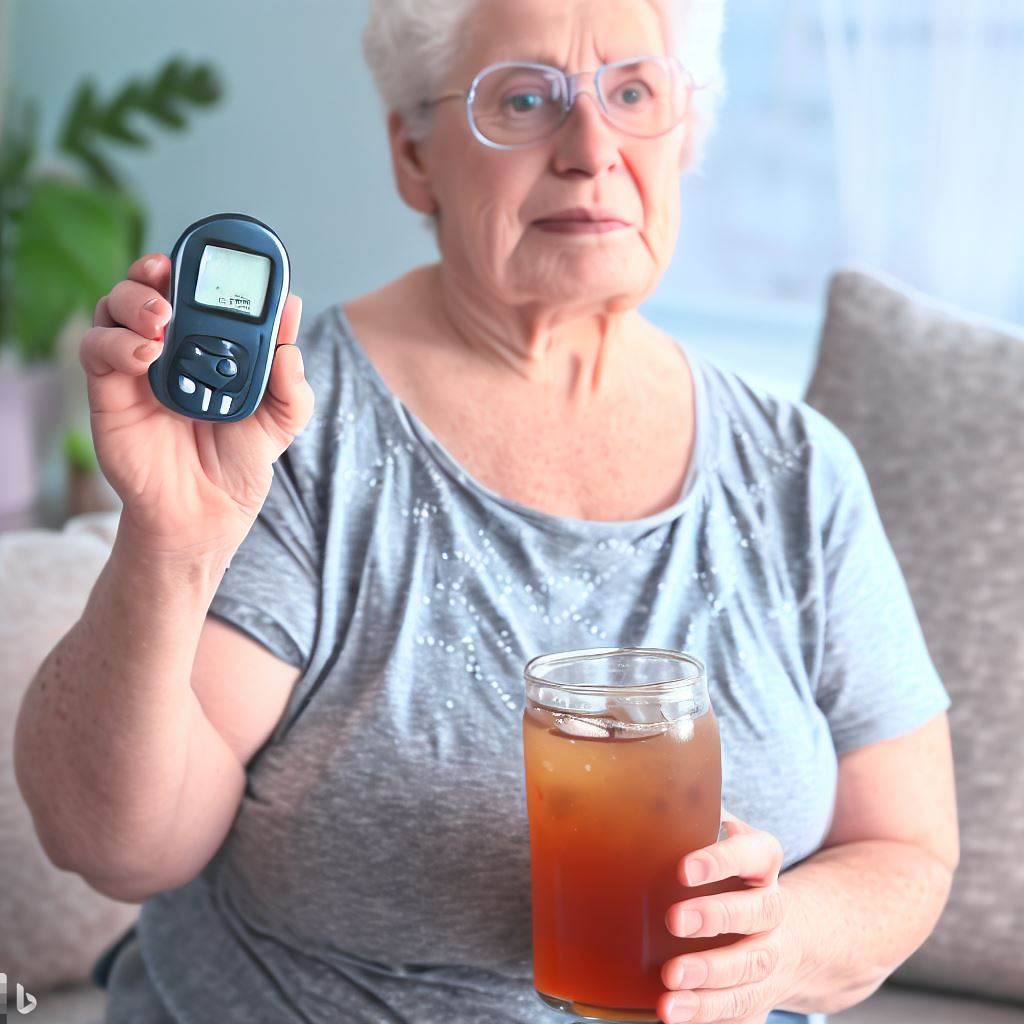
Kombucha is often touted for its potential blood sugar-regulating properties. While some studies suggest that kombucha may help improve insulin sensitivity and glucose control, individuals with diabetes should monitor their blood sugar levels closely and consult their healthcare provider before adding kombucha to their diet. Kombucha still contains carbohydrates, and its impact on blood sugar levels may vary among individuals.
Immune System Disorders
For individuals with compromised immune systems, such as those with HIV/AIDS or undergoing immunosuppressive therapy, caution is advised when consuming kombucha. The presence of live bacteria and yeasts in kombucha may pose a risk of infection in individuals with weakened immune systems. It is recommended to consult a healthcare professional before incorporating kombucha into the diet in such cases.
How to Safely Enjoy Kombucha
To enjoy kombucha safely, consider the following guidelines:
Choosing Reputable Brands
When purchasing kombucha, opt for well-known brands that prioritize quality control and adhere to proper manufacturing practices. Reputable brands often provide transparency about their brewing process, ingredients, and any safety testing conducted. See our best brands to buy if interested in try Kombucha.
Reading Labels for Sugar and Alcohol Content
Pay attention to the sugar and alcohol content listed on the kombucha labels. Different brands may vary in their formulations, and some varieties may contain higher sugar or alcohol levels than others. If you are monitoring your sugar or alcohol intake, choose kombucha with lower levels of these components.
Proper Storage and Handling
To maintain the quality and safety of kombucha, store it in a cool and dark place, away from direct sunlight. Exposure to heat and light can negatively affect the taste and quality of kombucha. Once opened, refrigerate the kombucha and consume it within a reasonable timeframe to prevent spoilage.
Moderation and Listening to Your Body
As with any food or beverage, moderation is key. While kombucha offers potential health benefits, it is best to consume it as part of a varied and balanced diet. Listen to your body and its individual responses to kombucha. If you experience any adverse effects or discomfort, consider adjusting your intake or consulting a healthcare professional.
Conclusion
Is kombucha safe is the question we asked? Now, with Kombucha’s unique taste and potential health benefits, can be enjoyed safely when consumed mindfully. The fermentation process of kombucha produces probiotics, organic acids, and antioxidants that offer potential advantages. However, it’s important to be aware of safety concerns such as alcohol content, acidity, and the risk of contamination. By choosing reputable brands, reading labels, and practicing proper storage and handling, you can enjoy kombucha responsibly. Remember to listen to your body and consume kombucha in moderation for a pleasurable and potentially beneficial experience.
FAQ on Is Kombucha Safe?

Q1: Is kombucha a substitute for medical treatment or medication?
A1: No, kombucha is not a substitute for medical treatment or medication. While it may offer potential health benefits, it is essential to consult a healthcare professional for any specific medical conditions or concerns.
Q2: Can I make kombucha at home?
A2: Yes, you can make kombucha at home. However, it is important to follow proper brewing guidelines, maintain hygiene practices, and use clean equipment to minimize the risk of contamination. If you are new to brewing kombucha, consider starting with a reputable recipe or kit.
Q3: Can I consume kombucha if I have a compromised immune system?
A3: Individuals with compromised immune systems should exercise caution when consuming kombucha. The live bacteria and yeasts in kombucha may pose a risk of infection. It is advisable to consult a healthcare professional before incorporating kombucha into the diet in such cases.
Q4: Does kombucha help with weight loss?
A4: While kombucha is often associated with weight loss due to its low calorie and sugar content, there is limited scientific evidence to support its direct role in weight management. A balanced diet, regular exercise, and overall healthy lifestyle choices remain essential for sustainable weight loss.
Q5: Can children consume kombucha?
A5: Due to the alcohol content and potential allergenic properties, it is generally recommended to avoid giving kombucha to young children. Consult a healthcare professional for guidance on introducing kombucha to children.
Thanks for reading on this GMK Blog Post on Is Kombucha Safe? Read some additional articles: