Skip to content
Greek Mountain Kombucha Logo

Greek Mountain Kombucha

A Kombucha Lover's Paradise!

  • Home
    • About Us GMK
      • Why Greek Mountain Kombucha
        • Greek Mountain Tea in Kombucha
    • The Art of Kombucha
      • What does Kombucha Taste Like?
      • What is Kombucha Good For?
      • How Long Does Kombucha Last?
      • Kombucha Alcohol Content
    • What is Kombucha?
      • Is Kombucha Safe to Drink?
        • Why Kombucha is Earth Friendly?
      • Why Brew Kombucha?
      • Why Buy Kombucha?
        • Buy Organic for Kombucha!
      • How to Introduce Kombucha to Friends
    • What is a SCOBY?
      • What is a Kombucha Mother?
    • How Kombucha is Made
      • How Long do you Brew Kombucha?
      • Best Time of Day to Drink Kombucha
      • Brewing Kombucha in Different Seasons
    • The History of Kombucha
      • Who Invented Kombucha?
      • Legend of the Sea Treasure
      • Kombucha Name Origins
  • Quickstart
    • Detailed Kombucha Brewing Guide
      • Kombucha Guide to First Fermentation
        • Know when your Kombucha is Ready
        • Brew Your Own Coffee Kombucha
        • Does Kombucha Need Oxygen to Ferment?
          • Why Decant kombucha?
      • Kombucha Guide to Second Fermentation
        • Kombucha Flavors
        • How to Bottle Kombucha Safely?
          • Why Burp your Bottles?
            • Why keep Kombucha Bottles in a Cooler?
      • Kombucha Third Fermentation
        • Kombucha Vinegar
    • Kombucha Quickstart Guide
      • Jun Brewing Guide
        • Honey for Jun Brewing
          • How to Pronounce Jun
      • Milk Kefir Brewing Guide
    • Brewing Hard Kombucha
      • Is Kombucha Alcoholic?
      • How to use a Hydrometer?
    • Guide to Continuous Brew Kombucha
      • Best Kombucha Continuous Brew Vessel
      • Comparing Continuous to Batch Brew
  • Brew
    • Top Resources and Sites
      • Top 10 Kombucha Flavors
        • Top Juices for Kombucha Brewing
          • Fresh Fruit Loves Kombucha
      • The Power of Kombucha Starter Cultures
      • Temperature Control in Kombucha Brewing
        • Carbonate Flat Kombucha
        • Heat Mats for Speed Brewing
      • Kombucha Side Effects
      • Kombucha and Fasting
      • Is Kombucha Good for Diabetics?
    • Top Mistakes in Brewing Kombucha
      • The Optimal Brewing Location for Kombucha
        • Preventing Fruit Flies
        • Kombucha Carbonation Keys
      • Is My Kombucha Spoiled?
      • Kahm Yeast and Kombucha
      • Never Add Vinegar to Kombucha
    • Homemade vs Store-Bought
      • Exploring Kombucha Sweeteners in Brewing
      • Removing Bottle Labels
      • Kombucha is too Sweet?
      • Kombucha is too Acidic?
    • Tea Bags or Loose Leaf Tea
      • Is Kombucha Healthier than Tea?
  • Learn
    • Top 10 Health Benefits
      • The Science Behind Kombucha
        • Can Kombucha Erode Tooth Enamel?
        • Is Kombucha Keto?
        • Is Kombucha Good for Dehydration?
          • Does Kombucha Contain Electrolytes?
          • Can Kombucha Help with Diarrhea?
        • Should you Pasteurize Kombucha?
          • Is Kombucha Safe for Kids?
        • What Vitamins are in Kombucha?
          • Is Kombucha High in Polyphenols?
          • What Probiotics are in Kombucha?
            • Kombucha and Athletic Performance
          • What Antioxidants are in Kombucha?
            • Kombucha and Radiation
      • Tea Basics for Kombucha
        • The Importance of Refrigerating Kombucha
          • Kombucha Mess and How to Avoid It
      • Kombucha and Depression
        • Kombucha and Joint Health
        • On Kombucha and Stress
          • Is Kombucha Vegan?
          • Kombucha better than Soda?
    • Kombucha How much to Drink?
      • Sediment in Kombucha
      • How much Caffine is in Kombucha?
        • How to Brew Caffine Free Kombucha
      • Drinking Kombucha during Pregnancy?
      • Kombucha for your Pets?
      • Kombucha and pH Levels
    • Importance of the Scoby
      • The Kombucha SCOBY Life Cycle
        • How to Share a SCOBY?
      • Caring for your Kombucha Scoby
        • How to Trim your SCOBY
        • Can you reuse a Kombucha SCOBY?
      • Growing Your Kombucha Scoby
        • Stringy Particles in Kombucha
        • Kombucha SCOBY Edible?
          • Making Candied SCOBYs
          • Making SCOBY Dog Treats
    • Kombucha Mold Guide
      • Avoiding Mold when Brewing Kombucha
  • Shop
    • Brewing Supplies
      • Sanitizing your Brewing Supplies
      • Green Tea vs Black Tea
      • What Kombucha Jars to Use?
        • Best Kombucha Spigot
      • Kombucha How much Sugar in it?
        • Maple Syrup in Kombucha?
        • Coconut Sugar in Kombucha Brewing
        • Brown Sugar in Kombucha Brewing
        • Molasses in Kombucha Brewing
        • Agave for Kombucha?
      • What Water in Kombucha Brewing?
    • Advanced Materials
      • Pro Tips for Kombucha Brewing
      • Benefits and use of Kombucha Soap
      • Benefits of Kombucha Face Cream
    • Best Starter Kit
      • How Many Days you should Brew Kombucha?
    • Best Brands to Buy
      • GT’s Kombucha Review
    • Best Experimental Teas
      • Brew Kombucha and Save
    • Kombucha Gift Ideas
  • Free eBook
    • Best Booch Books
      • Reviving Your Kombucha Brewing
      • Taking a Break from Kombucha
  • Recipes
    • Kombucha Cocktail Recipes
      • Best Kombucha Mocktails
    • Culinary Kombucha Recipe
    • Kombucha SCOBY Recipes
    • Making Kombucha Bath Bombs
  • FAQ
    • Blog Index
    • Kombucha Glossary
    • Troubleshooting Kombucha Issues
      • Is Kombucha Safe?
      • Kombucha Myths Debunked
    • Personal Story on Kombucha Explosion
    • Guess My Favorite Kombucha Flavor?
      • Passionfruit Kombucha Recipe
    • Kombucha vs Kefir
  • Sign Up
    • Our Privacy Policy
    • AI Video Generator and Editor
  • Contact
  • Toggle search form
what is kombucha

What is Kombucha?

Posted on By Austin Greene No Comments on What is Kombucha?

Discover the Refreshing World of Kombucha: A Guide to This Trendy Beverage that answers What is Kombucha?!?

Are you looking for a delicious and healthy beverage that can quench your thirst while providing numerous health benefits? Look no further than kombucha! In this blog post, we will delve into the fascinating world of kombucha, exploring its origins, ingredients, and the many reasons why it has become a popular choice among health-conscious individuals. So, grab a glass and join us on this exciting journey!

What is it after all?

Kombucha is a fermented tea beverage that has been enjoyed for centuries. It is made by combining sweetened tea with a symbiotic culture of bacteria and yeast (SCOBY). During the fermentation process, the SCOBY consumes the sugar in the tea, producing a tangy and slightly effervescent drink. The result is a refreshing beverage with a unique flavor profile that can range from sweet and fruity to tart and vinegary.

Why Drink Kombucha: Health Benefits
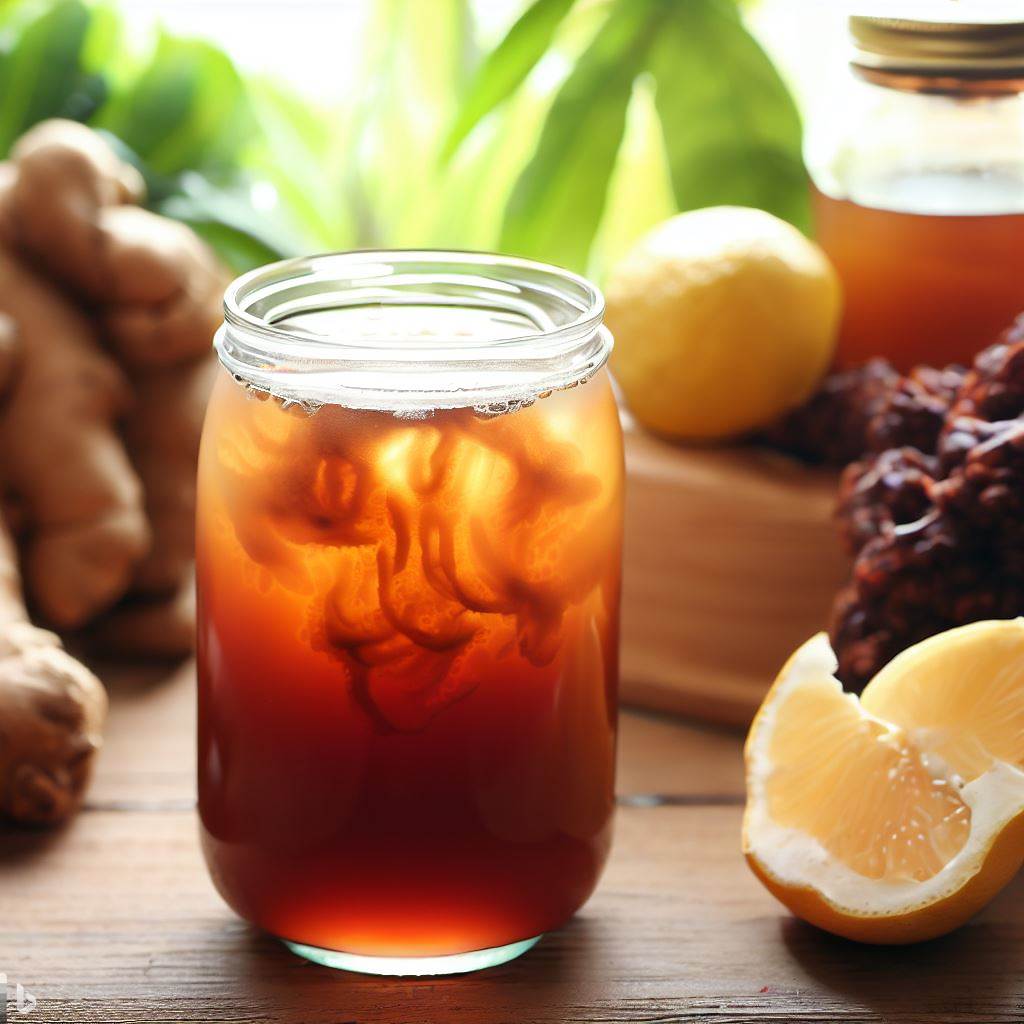
health benefits of the booch
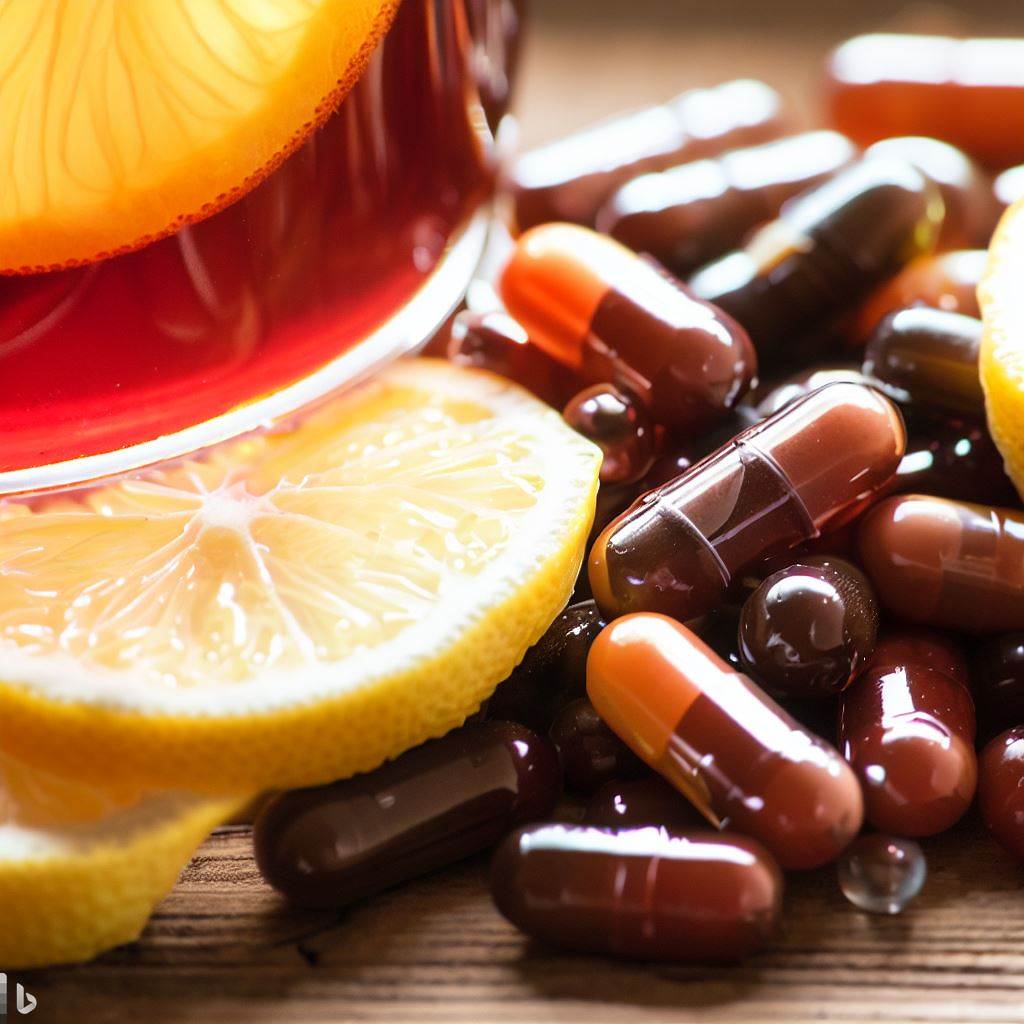
Booch provides great potential health benefits.
  1. Probiotic Powerhouse: Booch is rich in probiotics, which are beneficial bacteria that support a healthy gut microbiome. These probiotics can aid digestion, boost immunity, and promote overall gut health.
  2. Antioxidant Boost: It contains antioxidants that help combat oxidative stress and reduce inflammation in the body. These antioxidants can contribute to a stronger immune system and may have anti-aging effects.
  3. Detoxification Support: The fermentation process of booch produces organic acids, such as acetic acid and gluconic acid, which can aid in detoxification by supporting liver function and promoting the elimination of toxins from the body.
  4. Improved Digestion: The probiotics in booch can help improve digestion by promoting the growth of beneficial gut bacteria and aiding in the breakdown of food.
  5. Energy and Mental Clarity: This drink contains a small amount of caffeine and B vitamins, which can provide a natural energy boost and enhance mental clarity.

How to Incorporate Kombucha into Your Lifestyle

Now that you’re familiar with the many benefits of kombucha, you may be wondering how to incorporate it into your daily routine. Here are a few ideas:

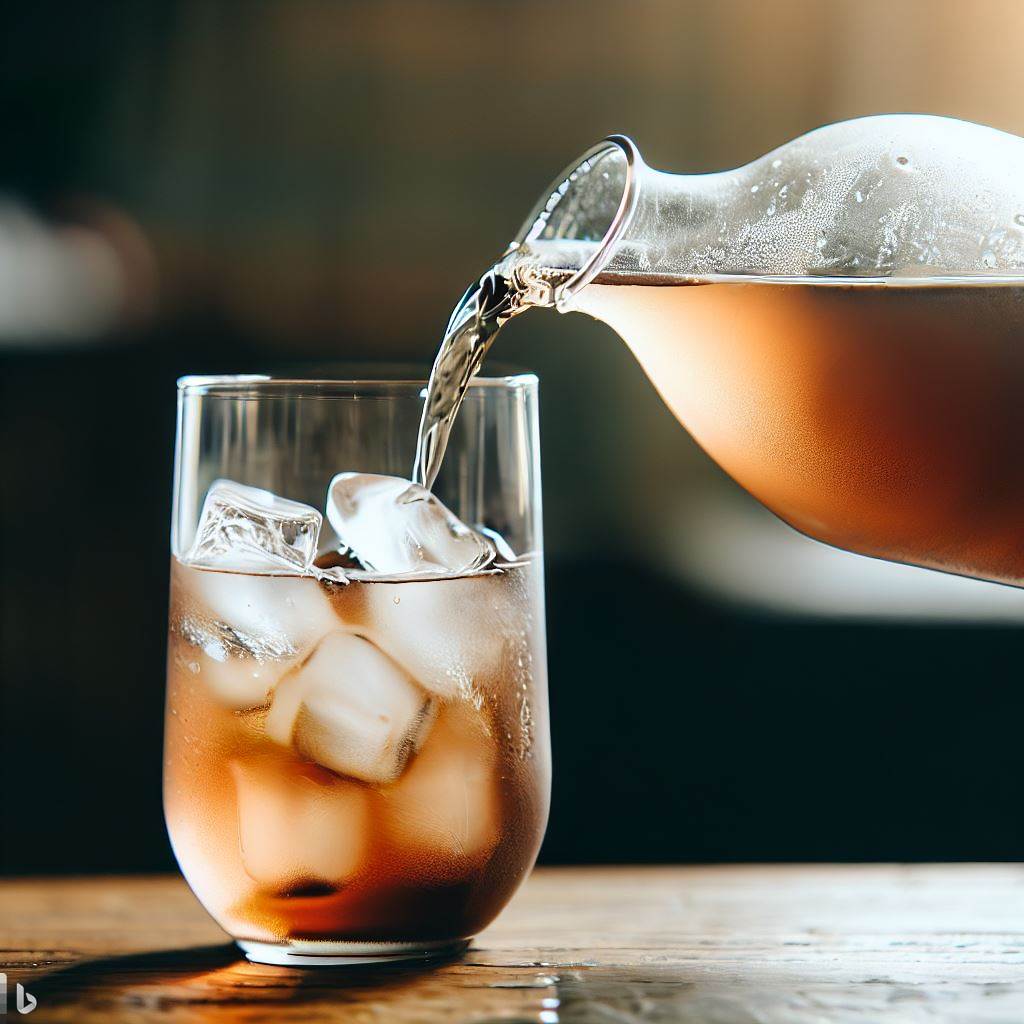
  1. Enjoy it as a Refreshing Beverage: Simply pour yourself a glass of chilled booch and savor its unique flavors. Experiment with different flavors and brands to find your favorite.
  2. Mix it into Cocktails: It can add a delightful twist to your favorite cocktails. Try combining it with vodka, gin, or even sparkling wine for a refreshing and bubbly concoction.
  3. Use it in Salad Dressings: Kombucha can be a fantastic base for homemade salad dressings. Its tangy flavor adds a delightful zing to your greens.
  4. Make Smoothies: Blend kombucha with your favorite fruits and vegetables to create a nutritious and flavorful smoothie. The probiotics in kombucha can enhance the gut-healthy benefits of your smoothie.

The Science Behind Kombucha Fermentation

check out the science behind fermentation
Fermentation Science. Here we go!

Fermentation is a fascinating process that involves the interaction of bacteria and yeast within the SCOBY. The yeast converts the sugar in the tea into alcohol through the process of fermentation. This alcohol is then converted into various organic acids, such as acetic acid and gluconic acid, by the bacteria present in the SCOBY. These organic acids give kombucha its characteristic tangy taste.

During fermentation, carbon dioxide is also produced, resulting in the delightful fizziness of booch. The length of the fermentation period can impact the flavor profile of the final product. Longer fermentation times tend to yield a more acidic and less sweet kombucha, while shorter fermentation times result in a milder flavor.

Choosing the Right Ingredients for Kombucha

To brew high-quality kombucha, it’s essential to select the right ingredients. Here are some key considerations:

Tea Selection

Choose organic tea leaves, such as black, green, or white tea, as the base for your kombucha. Avoid teas with added oils or flavors, as they can harm the SCOBY. Experiment with different teas to create unique flavor combinations.

Sugar Choice

Opt for organic cane sugar or other natural sweeteners like honey or maple syrup. The sugar acts as food for the SCOBY during fermentation. Avoid using artificial sweeteners or sugar substitutes, as they may hinder the fermentation process.

Water Quality

Use filtered or spring water to ensure the best quality for your kombucha. Chlorinated or heavily treated water can negatively impact the fermentation and the health of the SCOBY.

Varieties and Flavor Combinations

Kombucha offers endless possibilities when it comes to flavors and combinations. Here are some popular variations to explore:

Classic and Traditional Style

The classic kombucha flavor is tangy, slightly sweet, and effervescent. It is made using black tea and organic cane sugar, resulting in a balanced and refreshing beverage.

Fruit Infusions

Add a burst of fruity goodness to your boochby infusing it with fresh or frozen fruits. Popular choices include strawberries, raspberries, peaches, or citrus fruits. The natural sugars in the fruits enhance the flavor and create a delightful, naturally flavored kombucha.

Herbal Blends

Experiment with herbal teas like chamomile, lavender, or mint to create soothing and aromatic kombucha blends. These herbal infusions can provide additional health benefits and add a unique twist to your brew.

Spiced Flavors

Incorporate spices such as ginger, cinnamon, or cardamom to infuse your kombucha with warm and inviting flavors. Spiced kombucha is perfect for cooler seasons or when you’re craving a more complex taste.

How to Brew at Home

Brewing kombucha at home is an exciting and rewarding process. Follow these steps to create your own homemade booch:

  1. Gather the necessary equipment, including a glass jar, tea bags, sugar, a SCOBY, and a breathable cloth cover.
  2. Boil water and steep the tea bags for the recommended time.
  3. Dissolve sugar in the tea and let it cool down to room temperature.
  4. Transfer the sweetened tea to the glass jar and add the SCOBY.
  5. Cover the jar with a breathable cloth and secure it with a rubber band.
  6. Allow the kombucha to ferment for 7 to 14 days, depending on your desired taste.
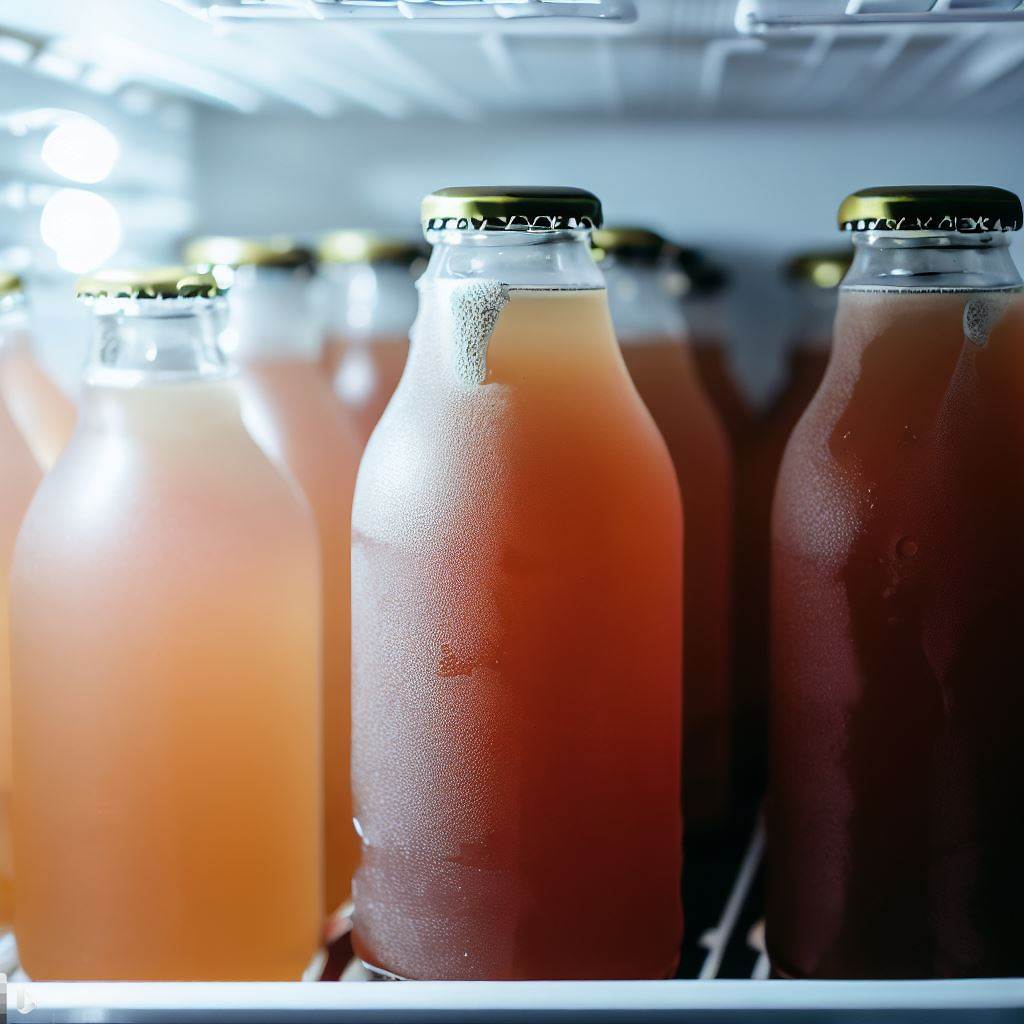
  7. After fermentation, bottle the kombucha and store it in the refrigerator to keep it from exploding!

Conclusion

refreshing booch to drink
Grab a refreshing cup and enjoy today!

In conclusion, kombucha is a versatile and health-enhancing beverage that has gained widespread popularity for its unique flavor and potential health benefits. With its probiotic content, antioxidants, and detoxifying properties, kombucha offers a refreshing and natural way to support overall wellness.

By following the brewing process outlined in this guide and selecting high-quality ingredients, you can create your own delicious and customized kombucha at home. Experiment with different teas, flavors, and combinations to find your perfect brew.

Remember to prioritize safety and hygiene during the brewing process, ensuring a clean environment and proper fermentation conditions. With patience and practice, you can master the art of brewing kombucha and enjoy the numerous benefits it offers.

So why not embark on this exciting journey of crafting your own brew? Discover the joy of creating a health elixir that not only tastes great but also promotes well-being from within. Cheers to your kombucha-making adventure!

Remember, the world of this brewis vast and ever-evolving. Stay curious, continue learning, and share the wonders of kombucha with others. Embrace the journey of becoming a booch connoisseur, and may your brews always be flavorful and outstanding.

Disclaimer: This article is for informational purposes only and should not be considered medical advice. Consult with a healthcare professional before making any significant changes to your diet or wellness routine.

Cheers to your health and well-being! Happy Brewing Yall!

Thanks for staying awhile and reading up on our blog post here at GMK. Read on:

  • Why Brew Booch?
  • Why Buy Booch?
  • QuickStart Guides

Home » Kombucha Education » What is Kombucha?
Hope your having a great day! Some links on this page are affiliate links which means that, if you choose to make a purchase, I may earn a small commission at no extra cost to you. I greatly appreciate your support! ~Greek Mountain Kombucha

Kombucha Education Tags:kombucha what is it, why drink kombucha, what is kombucha?, kombucha what is it?, wtf is kombucha, what is kombucha
Just a quick reminder from the GMK Team, We are not medical professionals so all of our posts and information should not be construed as medical advice. Please consult your healthcare professional before deciding to brew or consume Kombucha or related beverages.

Post navigation

Previous Post: Pro Tips for Kombucha Brewing
Next Post: Kombucha Carbonation Keys

More Related Articles

explore tea choices Explore Tea Choices Kombucha Education
kombucha scoby hotel Creating a Kombucha SCOBY Hotel Kombucha Education
best experimental teas for kombucha Best Experimental Teas for Kombucha Kombucha Education
homemade vs store-bought kombucha Homemade vs Store-Bought Kombucha Kombucha Education
who invented kombucha Who Invented Kombucha? Kombucha Education
why buy kombucha? Why Buy Kombucha? Kombucha Education

Leave a Reply Cancel reply

Your email address will not be published. Required fields are marked *

Categories

  • Brewer's Refuge
  • Booch Brew News
  • Quickstart Guides
  • Kombucha Education
  • About Us - Our Experience, Knowledge and Testimonials!
  • Blog Index
  • Contact Us
  • Free Comprehensive Kombucha eBook
  • Our Privacy Policy
  • Shop Kombucha Supplies
  • Sign Up
No comments to show.

Recent Posts

  • Kombucha vs Kefir
  • Making Kombucha Bath Bombs
  • Removing Bottle Labels
  • How Long Does Kombucha Last?
  • Is Kombucha Keto?

Copyright © 2025 Greek Mountain Kombucha.

Powered by PressBook Green WordPress theme