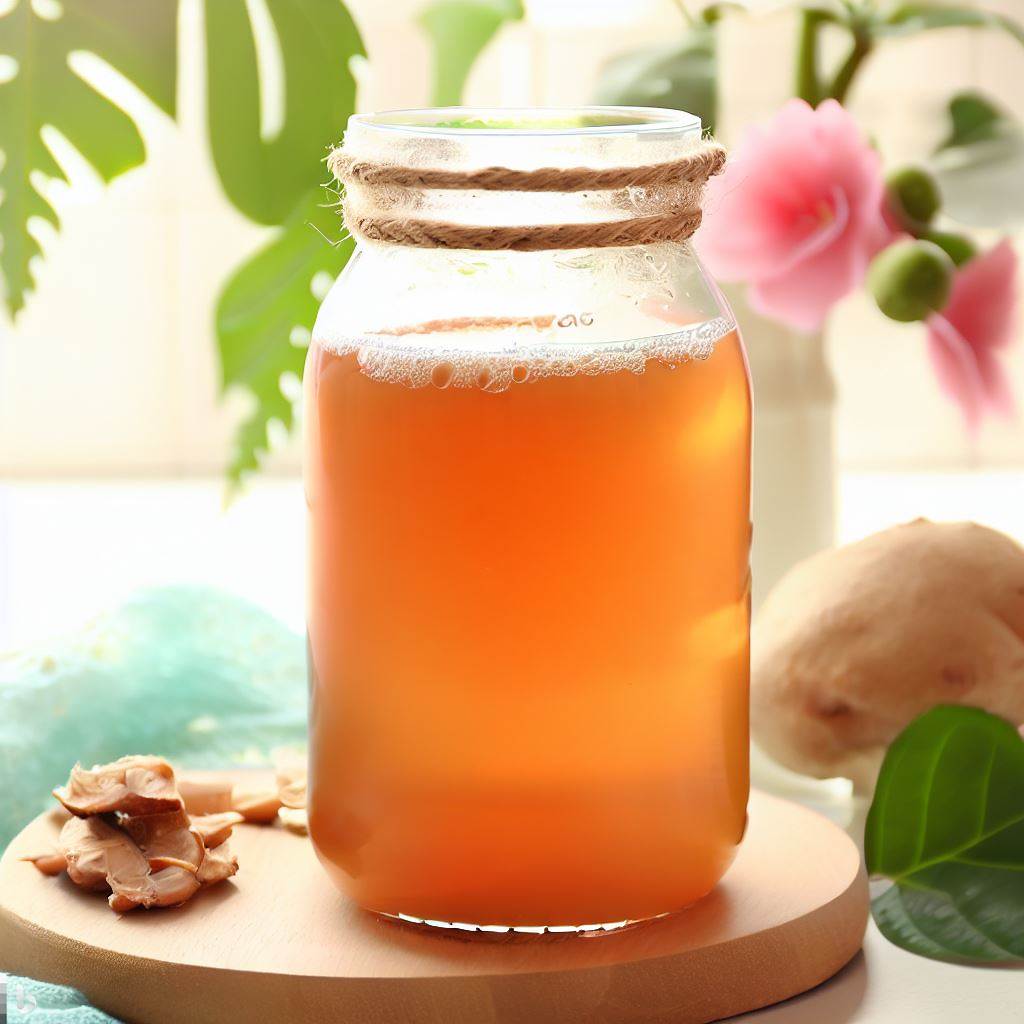
Have you ever attended a party where the host, with a glint in their eye, offered you a drink that looked like a concoction straight out of a fantasy novel, with its mysterious bubbles and curious residue? Your host announces, “It’s Kombucha,” and all the health fanatics in the room rejoice. You hesitate, for you’re unfamiliar with this beverage and its apparent cult following. The ultimate question on your mind: “What does Kombucha taste like?” Buckle up, flavor explorers, for a wild and tangy ride into the universe of Kombucha!
A. The Flavor Quest: What Does Kombucha Taste Like?
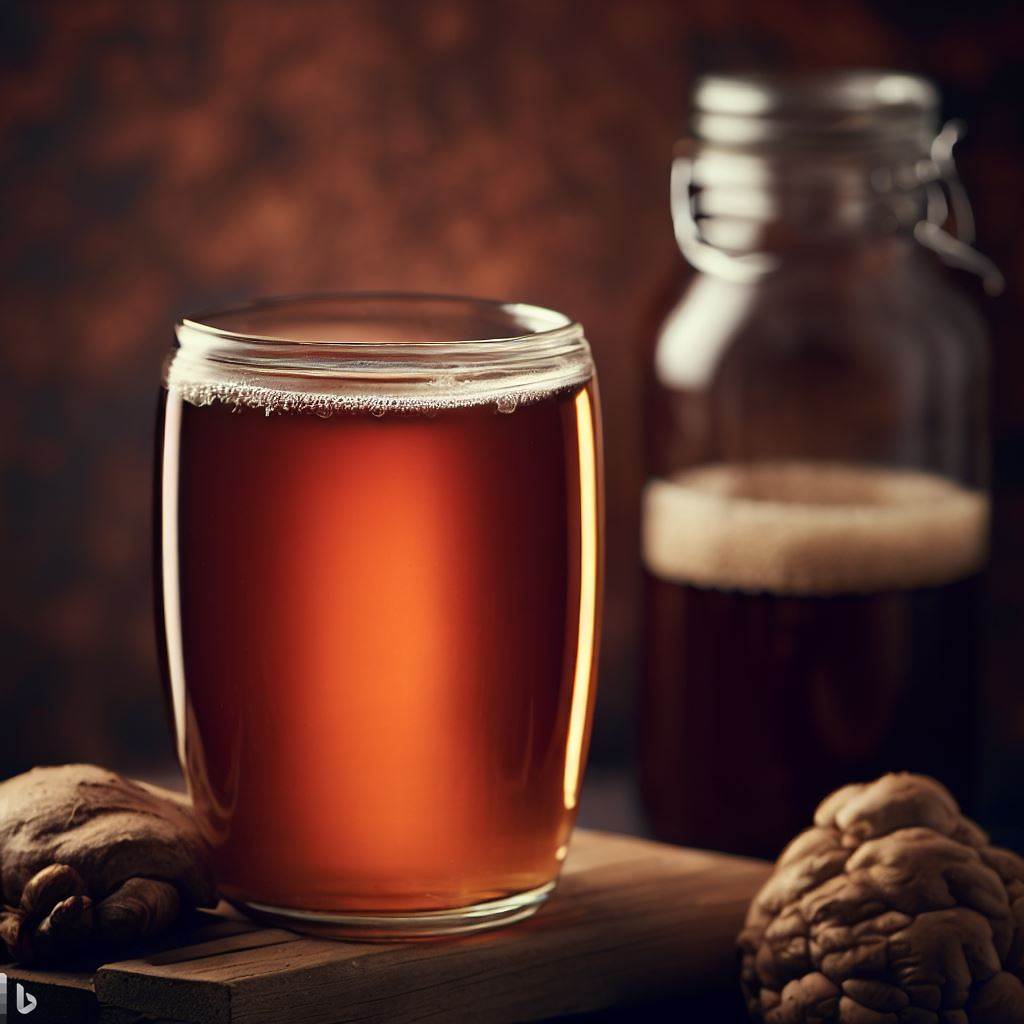
To fully appreciate the taste of Kombucha, let’s take a brief journey back in time. Originating from Northeast China around 220 B.C., Kombucha was often referred to as the “Tea of Immortality” due to its numerous health benefits. It spread across Russia and Eastern Europe during trade routes, and today, it’s making a grand splash in the Western world, especially among health-conscious folks.
B. The Brewing Concoction: What’s in Kombucha?
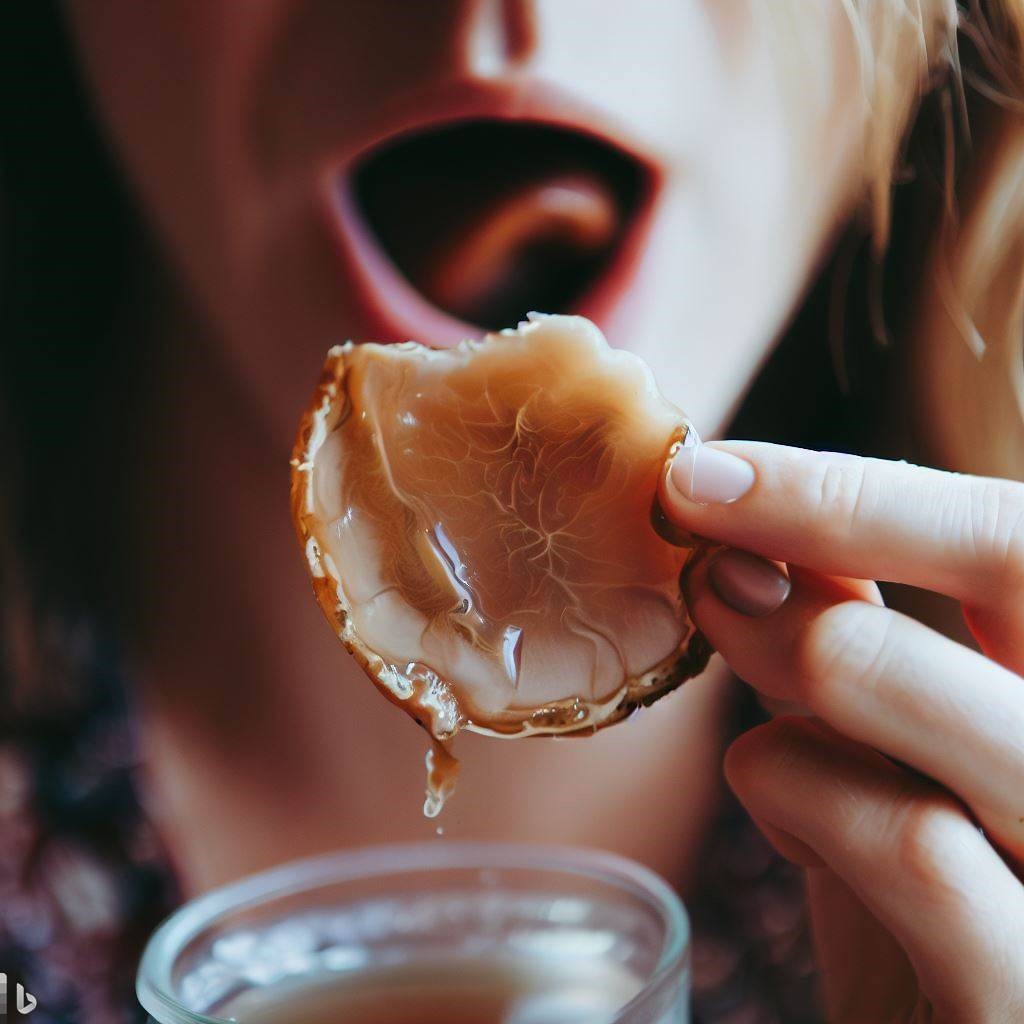
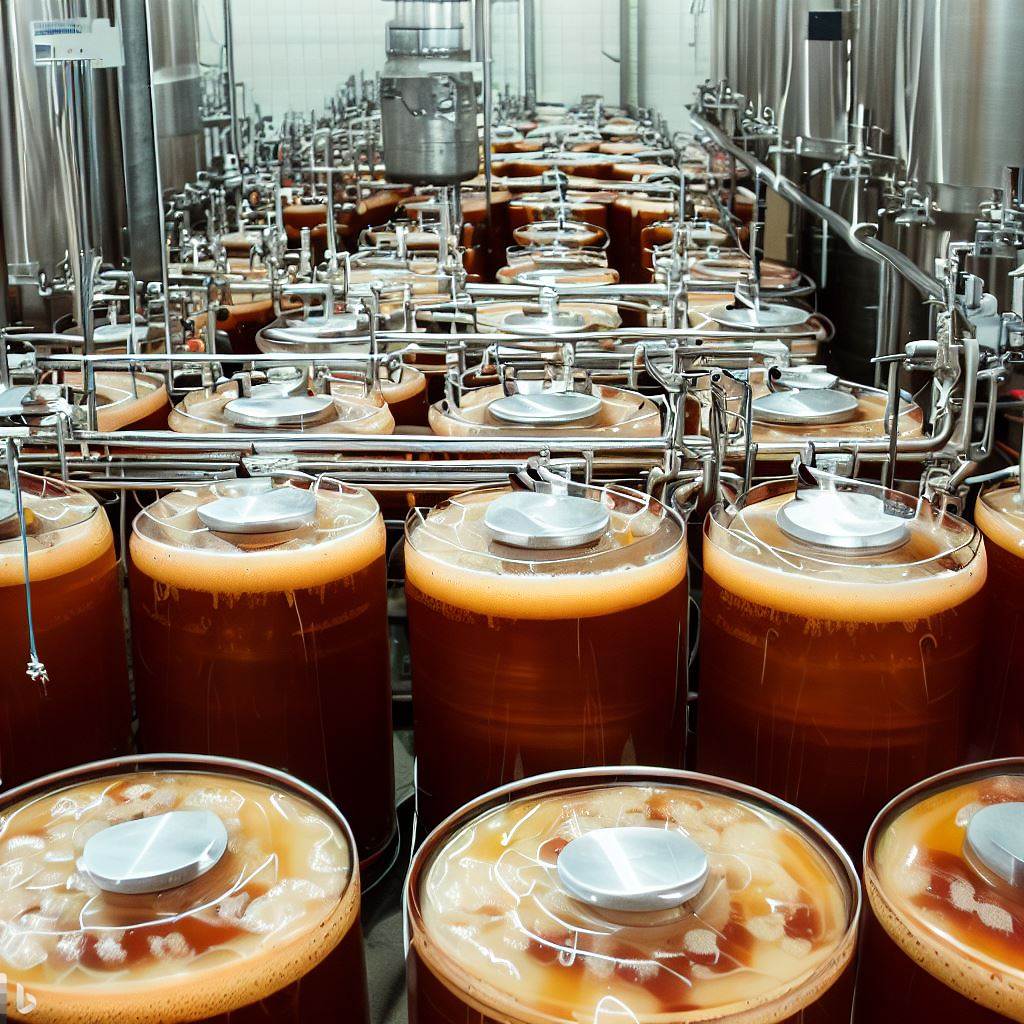
Before we dive into the taste profile, understanding what goes into brewing Kombucha can give us some hints. Kombucha is a fermented tea beverage, made by adding a symbiotic culture of bacteria and yeast (lovingly called SCOBY) to a mixture of sugar and tea (typically green or black tea). The fermentation process takes about a week or two, during which the bacteria and yeast munch on the sugar, producing a range of organic acids, gases, and trace amounts of alcohol.
C. The Taste Test: Kombucha Flavor Profile
Now, to the part you’ve been waiting for – the taste of Kombucha. This is where things get fizzy, literally and metaphorically. Kombucha boasts a unique, complex flavor profile that dances between sweet and sour.
- Sweet Notes: Initially, your taste buds may be greeted with a hint of sweetness. This is due to the residual sugar that hasn’t been fully consumed during the fermentation process.
- Sour Tones: Just when your palate is basking in the gentle sweetness, a tangy, sour kick follows, often compared to apple cider vinegar or tart green apple.
- Fizzy Undertones: To add to the thrill, Kombucha is effervescent. The fermentation process produces carbon dioxide, which gives Kombucha its characteristic fizz, similar to carbonated soft drinks or beer.
- Earthy Finish: Lastly, an earthy, slightly yeasty flavor, reminiscent of a lightbeer or mild sourdough, underpins the overall experience. This is a result of the SCOBY doing its magic.
D. The Flavor Variants: Exploring Kombucha Types
While the basic kombucha offers its own kind of symphony, the world of Kombucha isn’t limited to this base tune. Here’s where you get to be the composer and play around with the notes to create your own melody! The flavors of Kombucha can greatly vary depending on the type of tea used and any additional flavorings added post-fermentation, such as fruits, herbs, or spices. For instance:
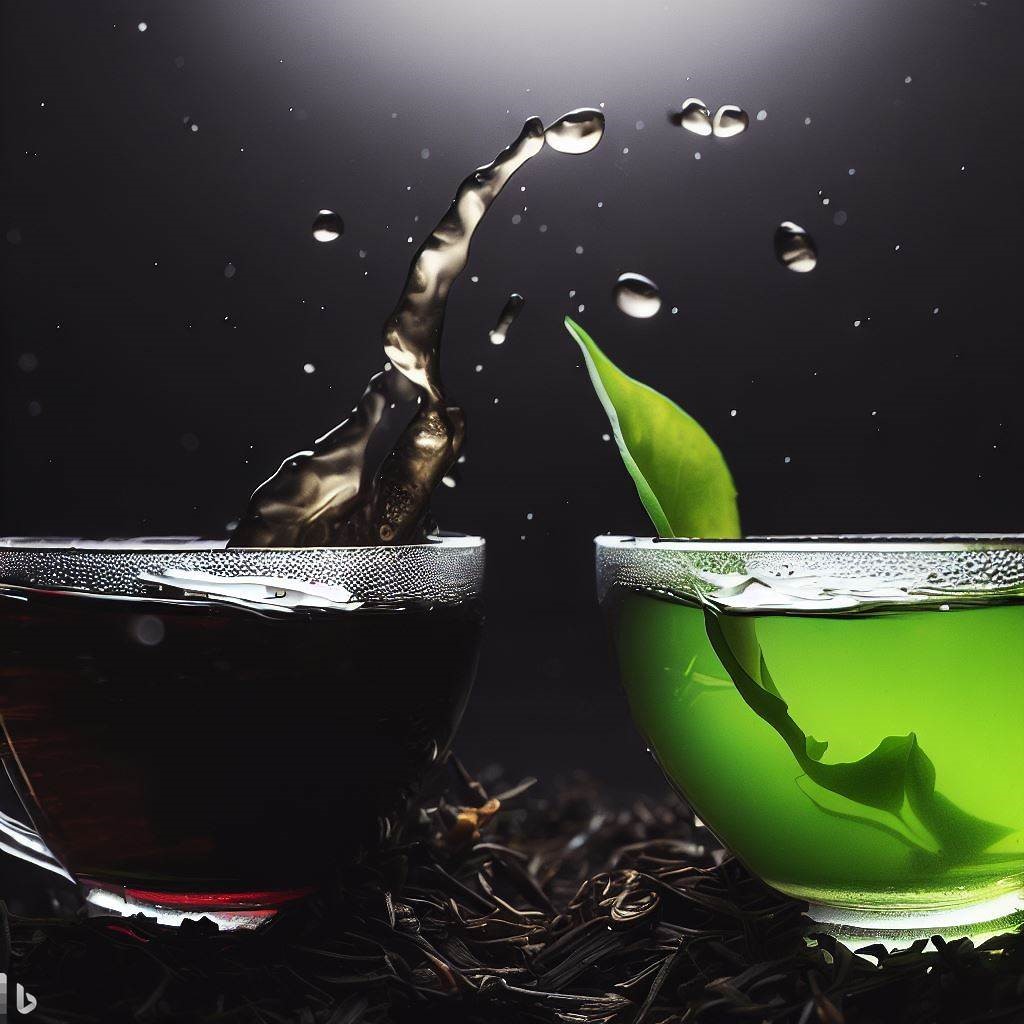
- Green Tea Kombucha: If made with green tea, the Kombucha can taste lighter with a subtle floral or grassy note.
- Black Tea Kombucha: When brewed with black tea, Kombucha takes on a bolder, more robust flavor, akin to traditional tea but with a twist.
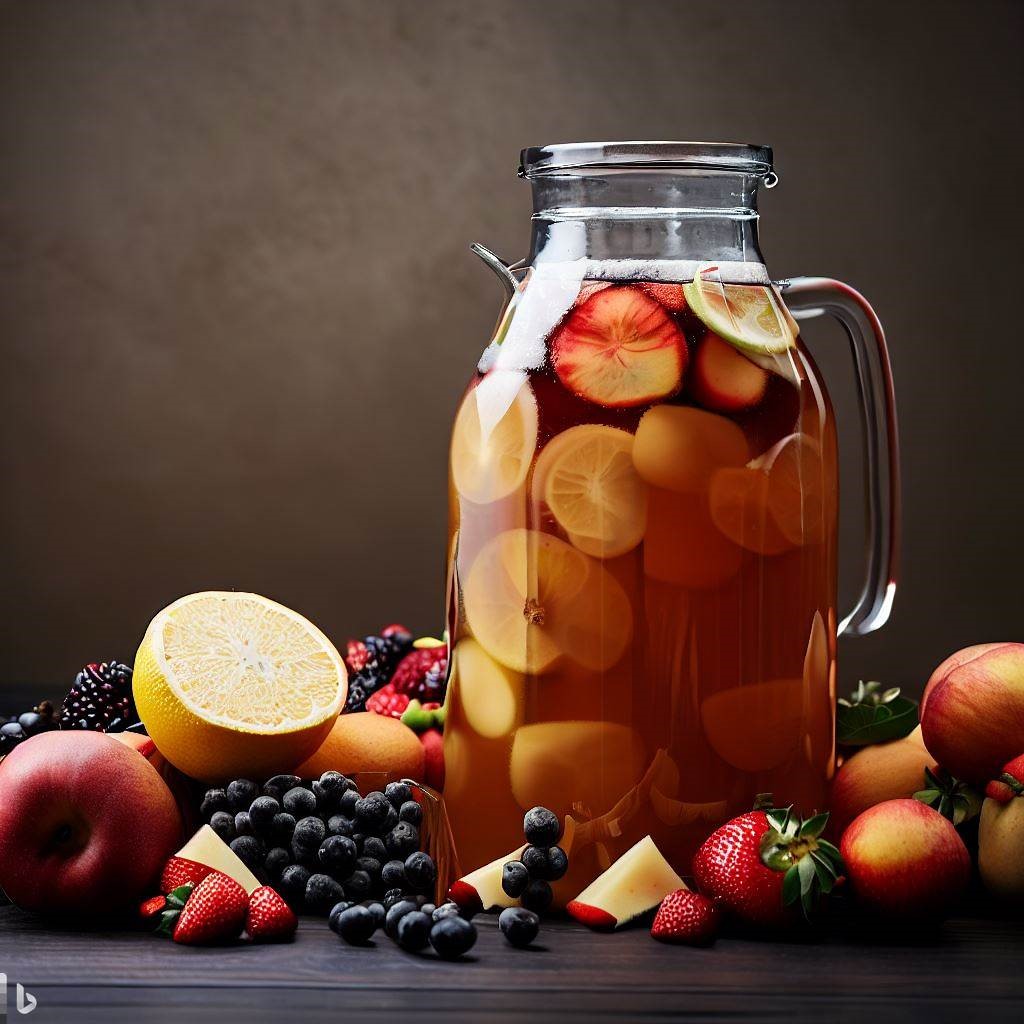
- Fruit-Infused Kombucha: If you’re a fan of fruity beverages, try Kombucha infused with flavors like mango, berry, or peach. It’s like a fruit cocktail that got a promotion!
- Herb and Spice Kombucha: If you’re seeking an adventurous flavor trip, consider trying Kombucha enhanced with ginger, mint, or even cayenne pepper. It’s like a surprise party for your taste buds!
E. Taste Adapting: Acquiring the Kombucha Taste
Admittedly, Kombucha’s flavor profile can be a bit overwhelming for first-time tasters, but don’t let that deter you. Acquiring a taste for Kombucha is like befriending a person with a strong personality: it might take a few encounters to get used to, but once you do, it can be a rewarding, enriching experience. Start with smaller sips, perhaps of a fruity or sweetened version, and gradually work your way up to the traditional variant.
Factors Influencing Kombucha Taste
Several factors contribute to the taste of kombucha, making each batch unique. Let’s explore some key elements that influence the flavor of kombucha:
Tea Base and Fermentation Process
The type of tea used as a base for brewing kombucha significantly impacts its taste. Common tea varieties used include black tea, green tea, and oolong tea. Each type of tea brings its own distinct flavors and characteristics to the final product. Additionally, the length of fermentation can also affect the taste, with longer fermentation periods often resulting in a more pronounced tanginess.
Type of Sugar Used
The type of sugar used during the fermentation process can affect the sweetness and overall flavor of kombucha. While white sugar is commonly used, some brewers opt for alternatives like cane sugar, honey, or maple syrup. These alternative sugars can impart subtle nuances to the taste of the kombucha, adding depth and complexity.
Flavoring Ingredients and Additives
The addition of flavoring ingredients and additives during the brewing process can greatly influence the taste of kombucha. Whether it’s fresh fruits, herbs, spices, or even additional probiotics, these ingredients can enhance specific flavors, introduce new dimensions, and create a wide range of taste variations
Comparing Kombucha Taste to Other Beverages
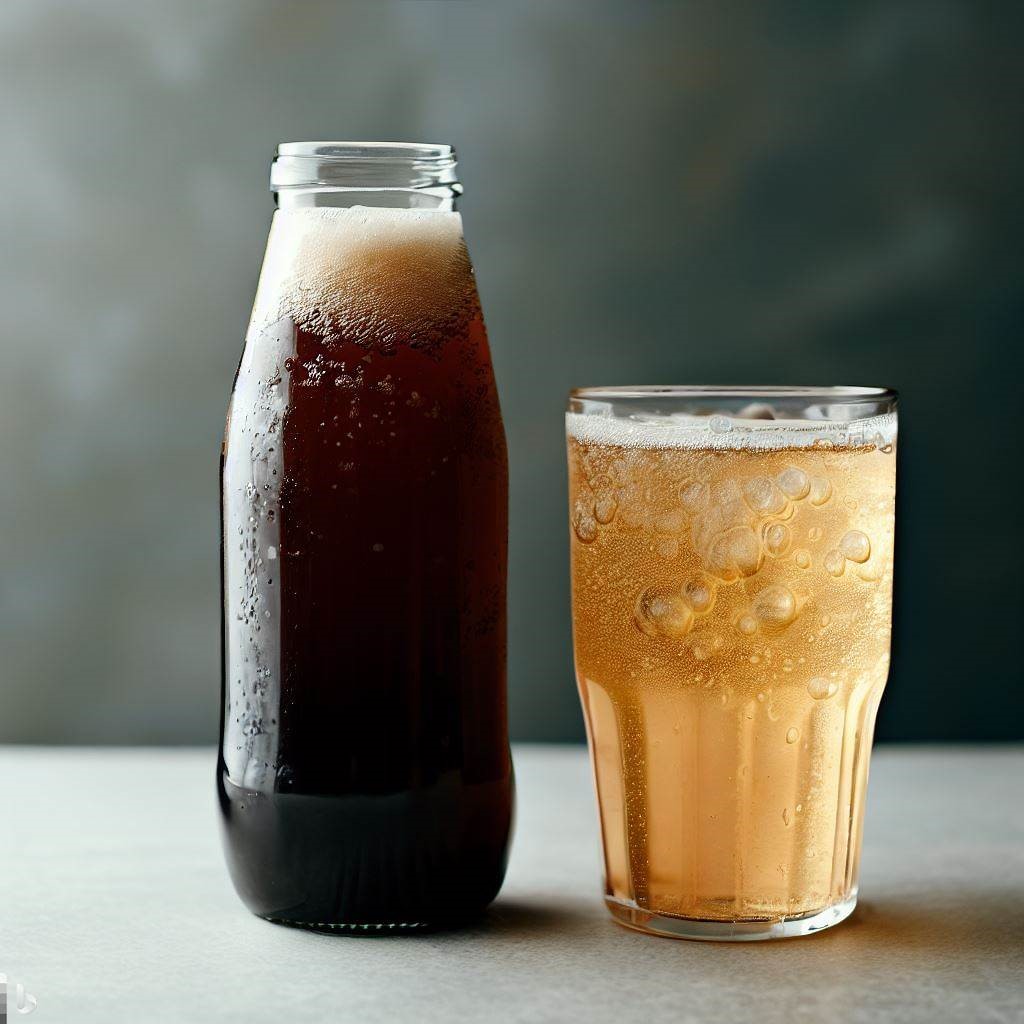
To better understand what kombucha tastes like, it’s helpful to compare it to other beverages. Let’s explore the similarities and contrasts between kombucha and different drink categories:
Similarities to Carbonated Drinks
Kombucha’s natural effervescence and fizziness make it somewhat reminiscent of carbonated drinks like soda or sparkling water. However, kombucha offers a distinct tanginess and depth of flavor that sets it apart from traditional carbonated beverages.
Contrasts with Soda and Energy Drinks
Unlike soda or energy drinks, kombucha is generally less sweet and contains natural fermentation byproducts. This results in a more complex taste that is both satisfying and refreshing. Additionally, kombucha offers potential health benefits due to its probiotic content, unlike many sugary sodas or energy drinks.
Comparison to Other Fermented Beverages
Kombucha belongs to the family of fermented beverages, which includes other popular drinks like kefir, kvass, and ginger beer. While each fermented beverage has its own unique taste, kombucha’s flavor profile is distinct due to its tea base, tanginess, and effervescence.
F. Does Kombucha Always Taste Good?
While kombucha has a loyal following of enthusiasts who enjoy its taste, it’s important to note that personal preferences play a significant role. The complex flavor profile of kombucha may not appealto everyone, especially those who are new to fermented beverages or have a sensitivity to tart or acidic flavors. Kombucha has a slightly acquired taste that may take some time to appreciate fully.
For those new to kombucha, it’s recommended to start with milder flavors and gradually explore bolder combinations. It’s also worth trying different brands and brewing methods to find a taste that aligns with personal preferences.
G. Enjoying Kombucha: Serving Suggestions and Pairings
To enhance the experience of drinking kombucha, here are some serving suggestions, glassware recommendations, and food pairings to consider:
Optimal Serving Temperature
Kombucha is best enjoyed chilled or at a cool temperature. Serving it too cold can mute the flavors, while serving it too warm can intensify the tanginess and acidity. Aim for a temperature range between 38°F (3°C) and 45°F (7°C) for optimal taste. On why you should refrigerate kombucha!
Recommended Glassware
Choosing the right glassware can also enhance the enjoyment of kombucha. Opt for clear glass or stemware to appreciate the effervescence and vibrant colors of the drink. Tall and narrow glasses are ideal for preserving carbonation and allowing aromas to concentrate.

Complementing Food Pairings
Kombucha’s versatile flavor profile makes it a fantastic beverage to pair with various foods. Here are some food pairings to consider:
- Light salads: Kombucha’s tanginess can complement fresh and crisp salads, adding a refreshing element to the meal.
- Grilled vegetables: The acidity of kombucha can help cut through the richness of grilled vegetables, creating a well-balanced combination of flavors.
- Sushi and seafood: The complex taste of kombucha pairs well with the delicate flavors of sushi and seafood, providing a harmonious dining experience.
- Spicy dishes: Kombucha’s tanginess can help balance the heat of spicy dishes, providing a cooling and refreshing contrast.
H. Mixology and Kombucha Cocktails
Kombucha can also be incorporated into delicious and creative cocktails. Its unique flavor profile adds depth and complexity to mixed drinks. Experiment with combining kombucha with spirits like vodka or gin, and complement it with fresh fruits, herbs, or bitters for a refreshing and flavorful cocktail experience.
Conclusion: The Kombucha Symphony
In conclusion, kombucha offers a distinct taste experience that combines sweetness, tanginess, slight acidity, and effervescence. While the basic flavor profile remains consistent, the addition of fruits, herbs, and other ingredients creates a wide range of flavor variations. Factors such as tea base, sugar type, and brewing process influence the taste of kombucha, making each batch unique. When compared to other beverages, kombucha stands out with its complex flavor profile and potential health benefits. While it may not appeal to everyone’s taste initially, it’s worth exploring different flavors and giving kombucha a chance to become a refreshing and enjoyable beverage in one’s life.
FAQ – What does Kombucha Taste Like?

- Q: Can I customize the taste of my Kombucha? A: Absolutely! The flavor of Kombucha can be customized by changing the type of tea or adding different fruits, herbs, or spices during the second fermentation process.
- Q: Is the taste of Kombucha the same for all brands? A: No, the taste can vary widely between different brands due to differences in their brewing process, the type of tea used, and the additional flavorings added.
- Q: What should I do if I find Kombucha too sour? A: If you find Kombucha too sour, consider trying a version with added sweeteners or fruity flavors. Also, consuming it chilled can mellow the tanginess. Finally, you can add ice cubes or some distilled water to dilute the booch.
Thanks for reading our Greek Mountain Kombucha Article on: What Does Kombucha Taste like? Read on to some additional blog posts: