Skip to content
Greek Mountain Kombucha Logo

Greek Mountain Kombucha

A Kombucha Lover's Paradise!

  • Home
    • About Us GMK
      • Why Greek Mountain Kombucha
        • Greek Mountain Tea in Kombucha
    • The Art of Kombucha
      • What does Kombucha Taste Like?
      • What is Kombucha Good For?
      • How Long Does Kombucha Last?
      • Kombucha Alcohol Content
    • What is Kombucha?
      • Is Kombucha Safe to Drink?
        • Why Kombucha is Earth Friendly?
      • Why Brew Kombucha?
      • Why Buy Kombucha?
        • Buy Organic for Kombucha!
      • How to Introduce Kombucha to Friends
    • What is a SCOBY?
      • What is a Kombucha Mother?
    • How Kombucha is Made
      • How Long do you Brew Kombucha?
      • Best Time of Day to Drink Kombucha
      • Brewing Kombucha in Different Seasons
    • The History of Kombucha
      • Who Invented Kombucha?
      • Legend of the Sea Treasure
      • Kombucha Name Origins
  • Quickstart
    • Detailed Kombucha Brewing Guide
      • Kombucha Guide to First Fermentation
        • Know when your Kombucha is Ready
        • Brew Your Own Coffee Kombucha
        • Does Kombucha Need Oxygen to Ferment?
          • Why Decant kombucha?
      • Kombucha Guide to Second Fermentation
        • Kombucha Flavors
        • How to Bottle Kombucha Safely?
          • Why Burp your Bottles?
            • Why keep Kombucha Bottles in a Cooler?
      • Kombucha Third Fermentation
        • Kombucha Vinegar
    • Kombucha Quickstart Guide
      • Jun Brewing Guide
        • Honey for Jun Brewing
          • How to Pronounce Jun
      • Milk Kefir Brewing Guide
    • Brewing Hard Kombucha
      • Is Kombucha Alcoholic?
      • How to use a Hydrometer?
    • Guide to Continuous Brew Kombucha
      • Best Kombucha Continuous Brew Vessel
      • Comparing Continuous to Batch Brew
  • Brew
    • Top Resources and Sites
      • Top 10 Kombucha Flavors
        • Top Juices for Kombucha Brewing
          • Fresh Fruit Loves Kombucha
      • The Power of Kombucha Starter Cultures
      • Temperature Control in Kombucha Brewing
        • Carbonate Flat Kombucha
        • Heat Mats for Speed Brewing
      • Kombucha Side Effects
      • Kombucha and Fasting
      • Is Kombucha Good for Diabetics?
    • Top Mistakes in Brewing Kombucha
      • The Optimal Brewing Location for Kombucha
        • Preventing Fruit Flies
        • Kombucha Carbonation Keys
      • Is My Kombucha Spoiled?
      • Kahm Yeast and Kombucha
      • Never Add Vinegar to Kombucha
    • Homemade vs Store-Bought
      • Exploring Kombucha Sweeteners in Brewing
      • Removing Bottle Labels
      • Kombucha is too Sweet?
      • Kombucha is too Acidic?
    • Tea Bags or Loose Leaf Tea
      • Is Kombucha Healthier than Tea?
  • Learn
    • Top 10 Health Benefits
      • The Science Behind Kombucha
        • Can Kombucha Erode Tooth Enamel?
        • Is Kombucha Keto?
        • Is Kombucha Good for Dehydration?
          • Does Kombucha Contain Electrolytes?
          • Can Kombucha Help with Diarrhea?
        • Should you Pasteurize Kombucha?
          • Is Kombucha Safe for Kids?
        • What Vitamins are in Kombucha?
          • Is Kombucha High in Polyphenols?
          • What Probiotics are in Kombucha?
            • Kombucha and Athletic Performance
          • What Antioxidants are in Kombucha?
            • Kombucha and Radiation
      • Tea Basics for Kombucha
        • The Importance of Refrigerating Kombucha
          • Kombucha Mess and How to Avoid It
      • Kombucha and Depression
        • Kombucha and Joint Health
        • On Kombucha and Stress
          • Is Kombucha Vegan?
          • Kombucha better than Soda?
    • Kombucha How much to Drink?
      • Sediment in Kombucha
      • How much Caffine is in Kombucha?
        • How to Brew Caffine Free Kombucha
      • Drinking Kombucha during Pregnancy?
      • Kombucha for your Pets?
      • Kombucha and pH Levels
    • Importance of the Scoby
      • The Kombucha SCOBY Life Cycle
        • How to Share a SCOBY?
      • Caring for your Kombucha Scoby
        • How to Trim your SCOBY
        • Can you reuse a Kombucha SCOBY?
      • Growing Your Kombucha Scoby
        • Stringy Particles in Kombucha
        • Kombucha SCOBY Edible?
          • Making Candied SCOBYs
          • Making SCOBY Dog Treats
    • Kombucha Mold Guide
      • Avoiding Mold when Brewing Kombucha
  • Shop
    • Brewing Supplies
      • Sanitizing your Brewing Supplies
      • Green Tea vs Black Tea
      • What Kombucha Jars to Use?
        • Best Kombucha Spigot
      • Kombucha How much Sugar in it?
        • Maple Syrup in Kombucha?
        • Coconut Sugar in Kombucha Brewing
        • Brown Sugar in Kombucha Brewing
        • Molasses in Kombucha Brewing
        • Agave for Kombucha?
      • What Water in Kombucha Brewing?
    • Advanced Materials
      • Pro Tips for Kombucha Brewing
      • Benefits and use of Kombucha Soap
      • Benefits of Kombucha Face Cream
    • Best Starter Kit
      • How Many Days you should Brew Kombucha?
    • Best Brands to Buy
      • GT’s Kombucha Review
    • Best Experimental Teas
      • Brew Kombucha and Save
    • Kombucha Gift Ideas
  • Free eBook
    • Best Booch Books
      • Reviving Your Kombucha Brewing
      • Taking a Break from Kombucha
  • Recipes
    • Kombucha Cocktail Recipes
      • Best Kombucha Mocktails
    • Culinary Kombucha Recipe
    • Kombucha SCOBY Recipes
    • Making Kombucha Bath Bombs
  • FAQ
    • Blog Index
    • Kombucha Glossary
    • Troubleshooting Kombucha Issues
      • Is Kombucha Safe?
      • Kombucha Myths Debunked
    • Personal Story on Kombucha Explosion
    • Guess My Favorite Kombucha Flavor?
      • Passionfruit Kombucha Recipe
    • Kombucha vs Kefir
  • Sign Up
    • Our Privacy Policy
    • AI Video Generator and Editor
  • Contact
  • Toggle search form
why burp your bottles

Why Burp your Bottles?

Posted on By Austin Greene No Comments on Why Burp your Bottles?

The Importance of Burping Your Bottles in Kombucha Brewing: Avoiding Messes and Explosions – Why Burp your Bottles?

Hello, Kombucha enthusiasts! Today, we’re going to delve into a critical yet often overlooked aspect of the Kombucha brewing process – burping your bottles during the second fermentation. This simple step can save you from a world of mess and potential bottle explosions. So, let’s get started!

The Science Behind Kombucha Fermentation

science of kombucha brewing and burping bottles
On the Science of Kombucha Brewing

Before we delve into the importance of burping bottles, let’s understand the science behind kombucha fermentation. Kombucha is produced through the symbiotic relationship between yeast and bacteria. Yeast consumes the sugar in the tea, converting it into alcohol, while bacteria convert the alcohol into organic acids such as acetic acid. This process results in the unique flavor profile of kombucha.

During fermentation, yeast produces carbon dioxide as a byproduct. The accumulation of carbon dioxide leads to pressure buildup within sealed bottles. This pressure is responsible for creating the desired carbonation in kombucha. However, if the pressure is not released appropriately, it can result in exploding bottles or leakage.

The Purpose of Burping Bottles

Burping bottles in kombucha fermentation serves several important purposes. Firstly, it helps prevent the risk of exploding bottles and potential hazards. When pressure builds up inside a sealed bottle, the glass or container may rupture, causing a messy and potentially dangerous situation. By burping the bottles, excess carbon dioxide is released, reducing the pressure and minimizing the risk of explosions.

Secondly, burping bottles allows excess carbon dioxide to escape. If the pressure continues to build up without release, it can lead to over-carbonation, resulting in fizzy kombucha that may be difficult to drink. By burping the bottles, you can control the carbonation levels, ensuring a pleasant drinking experience.

Lastly, burping bottles helps maintain optimal fermentation conditions. If the pressure remains high for an extended period, it can affect the flavor and quality of kombucha. Properly burping the bottles allows the fermentation process to continue smoothly, contributing to the development of the desired taste profile.

Should you “Burp”?

Now, onto the main topic – why should you burp your bottles? The answer lies in the science of fermentation. During the second fermentation, the yeast in your Kombucha continues to consume the sugars, producing carbon dioxide gas as a byproduct. This gas builds up in the sealed bottle, leading to increased pressure.

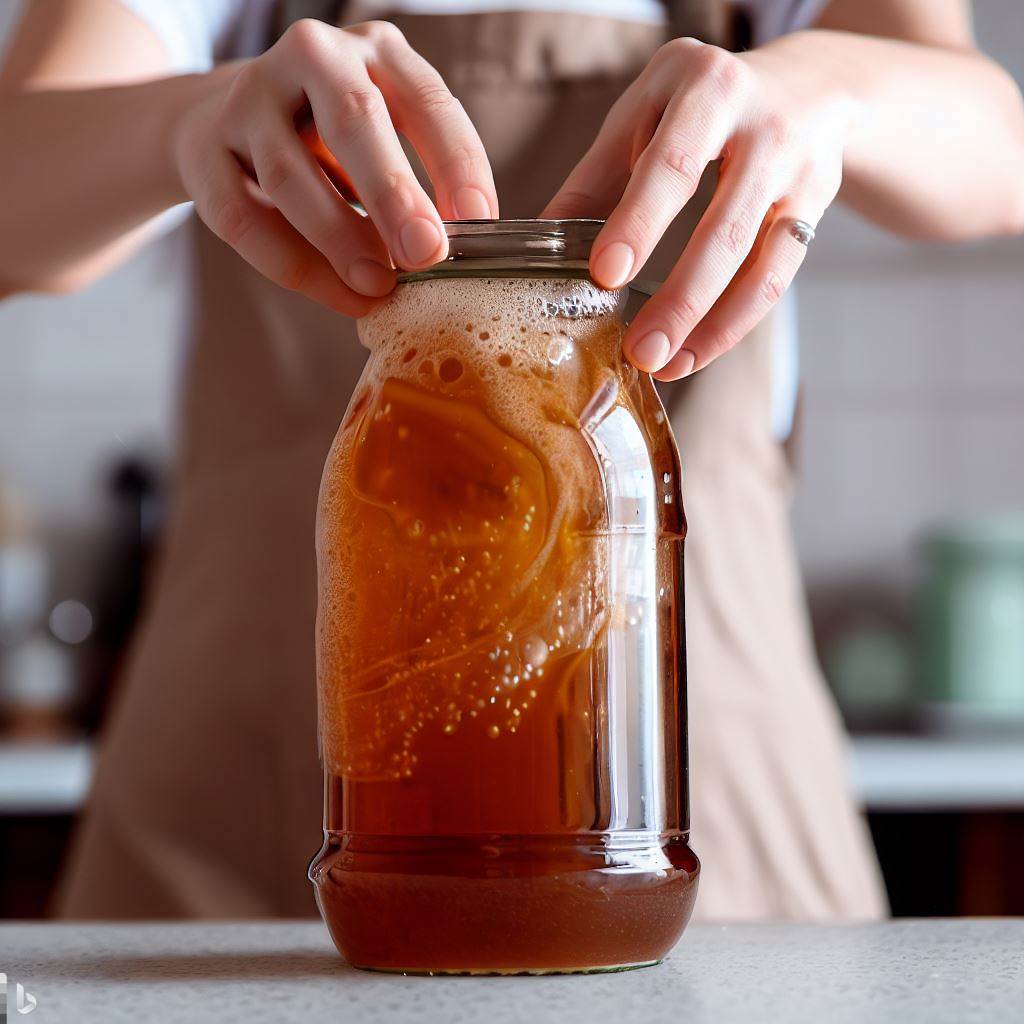
This is where burping comes in. Burping simply means opening your bottles briefly each day to release the built-up gas. It’s a crucial step that can prevent over-carbonation and the potential for your bottles to explode.
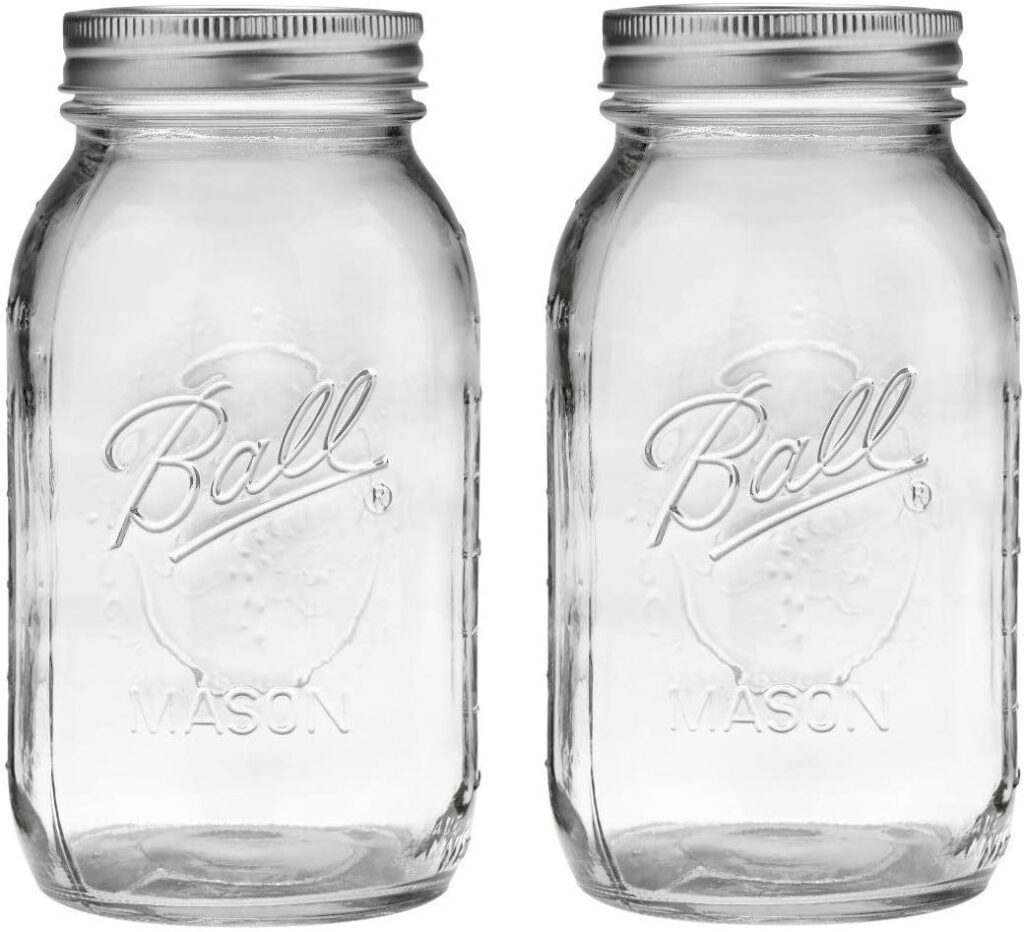
Why burp your bottles?
Our Preferred Ball Bottles with the Metal Caps are easy to Burp with a light twist.

Imagine this scenario: You’ve left your Kombucha to ferment for a few days, excited about the fizzy, flavorful drink you’re about to enjoy. But instead, you’re greeted with a loud pop and a mess of sticky Kombucha all over your kitchen. Not the most pleasant experience, right? That’s exactly what burping helps to avoid. Not wanting to Burp and Looking for an alternate solution? Well these Pickle Pipes below are a good option as well as fermenting your booch in a cooler for safer practices!
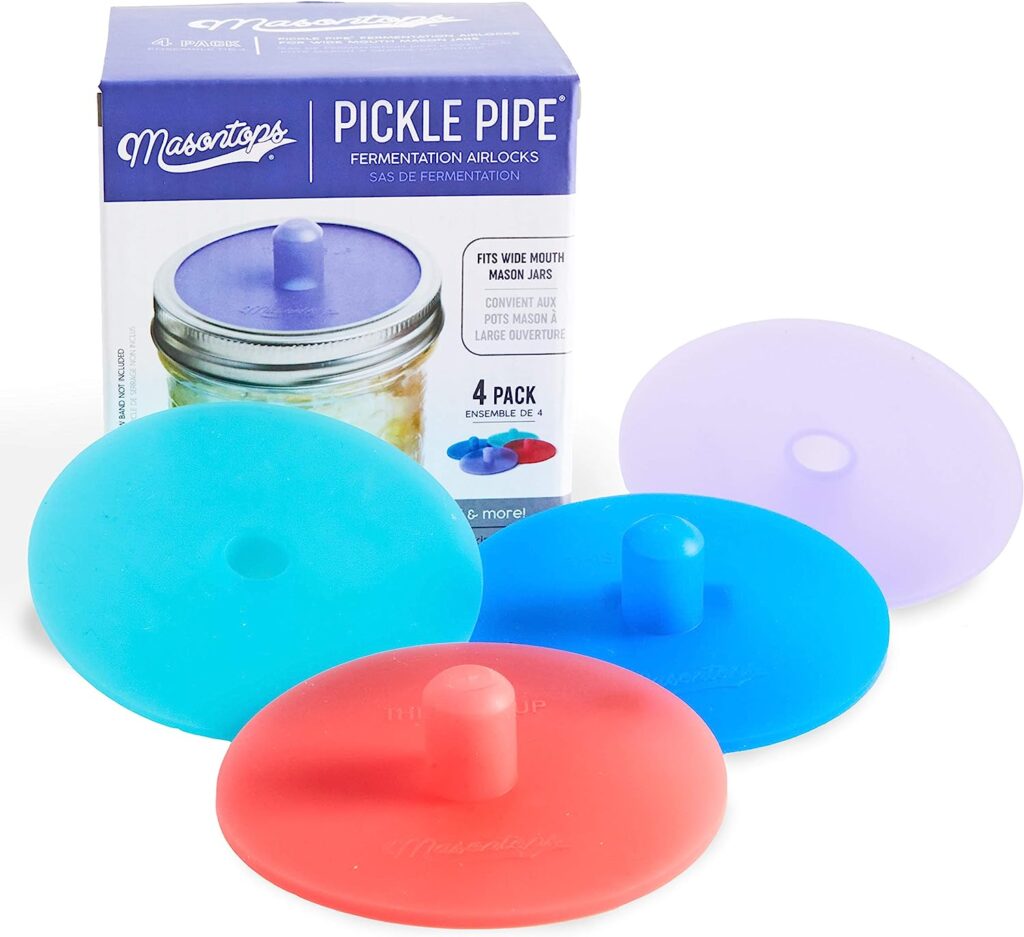
Masontops Pickle Pops eliminate the need to burp with an auto release when carbonation pressure gets too high! Click the pic for more. Do note, these are for Widemouth Mason Jars!

Moreover, burping your bottles also gives you a chance to check on the progress of your brew. You can gauge the level of carbonation and adjust your fermentation time accordingly. If your Kombucha fizzes a lot when you burp it, it might be ready to refrigerate, which halts the fermentation process. This also is a great time to taste test what your brew!

Final Remarks

Burping your bottles during the second fermentation of Kombucha brewing is a small step with significant benefits. It helps you avoid messy clean-ups, potential bottle explosions, and gives you more control over the carbonation of your brew. So, remember to burp your bottles daily – your kitchen (and your Kombucha) will thank you! Happy brewing y’all!

Tips for Successful Burping
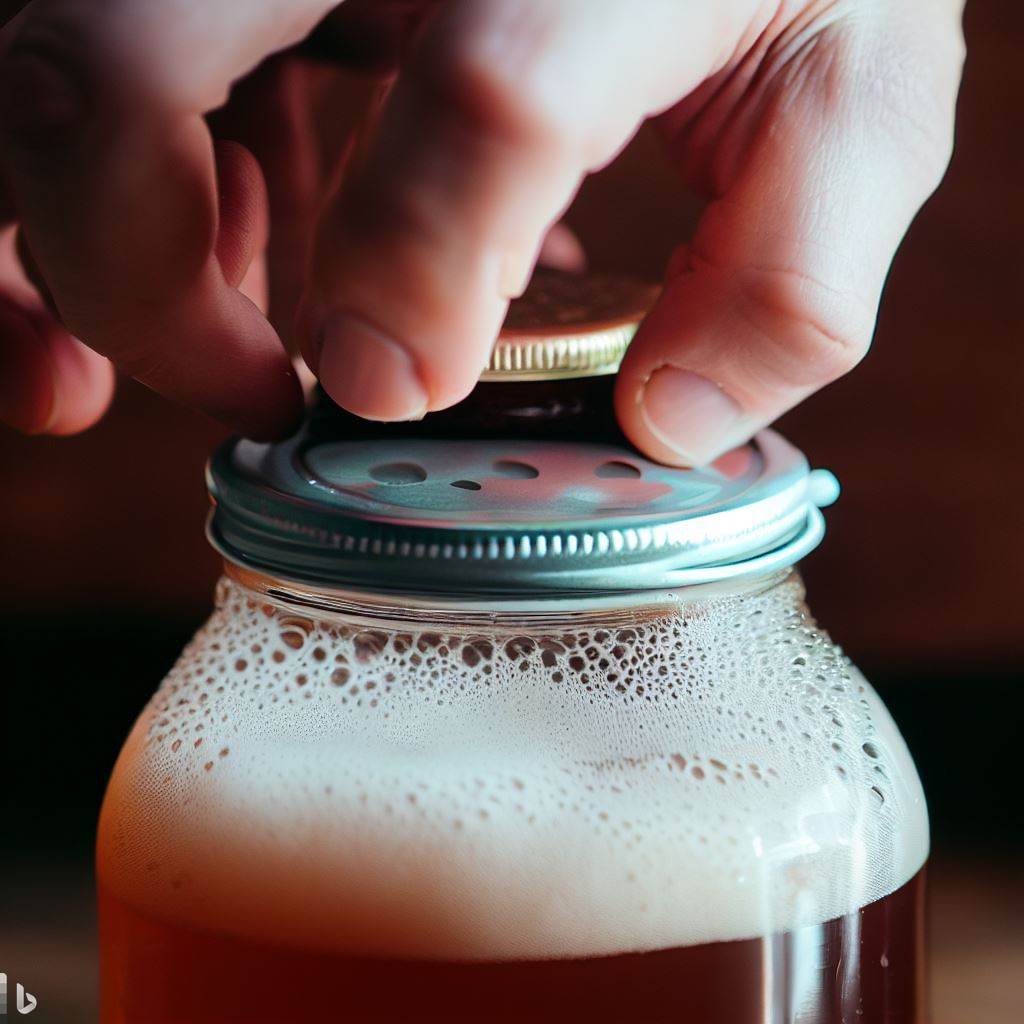
art of the burp
The Art of the Bottle Burp.

To ensure successful burping and maintain the quality of your kombucha, consider the following tips:

  1. Use appropriate bottle types and closures: Opt for bottles designed for carbonated beverages, such as swing-top bottles or those with sturdy seals. Avoid using containers that are not suitable for holding pressure, such as regular glass jars.
  2. Choose the right fermentation environment: Maintain a consistent temperature and avoid exposing your kombucha to extreme heat or cold. Fluctuations in temperature can affect fermentation and increase the risk of excessive pressure buildup.
  3. Monitor carbonation levels: Regularly check the carbonation levels in your kombucha by gently opening a bottle and observing the release of carbon dioxide. Adjust the burping frequency based on your desired level of carbonation.

Common Concerns and Misconceptions

Let’s address some common concerns and misconceptions related to burping bottles in kombucha fermentation:

  • “Will burping bottles affect carbonation?” Burping bottles helps regulate carbonation levels by releasing excess carbon dioxide. It ensures that your kombucha is not over-carbonated or under-carbonated, resulting in a well-balanced beverage.
  • “How long should I burp my bottles?” The duration of burping depends on the stage of fermentation and the desired level of carbonation. During the initial fermentation, burping every 12 to 24 hours is generally recommended. As the fermentation progresses, you can adjust the frequency based on your taste preferences.
  • “Can I skip burping if I use airlock systems?” Airlock systems are commonly used in brewing beer and wine to release carbon dioxide without the need for burping. However, in kombucha fermentation, airlock systems are not typically necessary, as the carbonation levels are actively controlled through burping.
  • “Are there alternative methods to burping?” While burping is the most common method, there are alternative approaches to releasing excess carbon dioxide. Some brewers opt for using plastic bottles with squeezable sides, allowing them to manually release the pressure by squeezing the bottle.
  • “Can I reuse bottles that have been burped?” Yes, you can reuse bottles that have been burped, as long as they are in good condition and properly cleaned. However, it is important to note that the seals or closures may wear out over time, so it is advisable to monitor their effectiveness.

Thanks for reading Why Burp your Bottles. Want to learn more about Kombucha Brewing? Check out the blogposts below!

  • Guide to Second Fermentation
  • Guide to First Fermentation
  • My Personal Story on Kombucha Explosion!
  • Want a deeper dive on Burping Bottles? Check out a Youtube Video here!
Home » Kombucha Education » Why Burp your Bottles?
Hope your having a great day! Some links on this page are affiliate links which means that, if you choose to make a purchase, I may earn a small commission at no extra cost to you. I greatly appreciate your support! ~Greek Mountain Kombucha

Kombucha Education Tags:why burp your bottles?, why burp your bottles fermentation?, why burp your bottles kombucha?, burping bottles kombucha, kombucha burping?, kombucha bottle burping, regularly opening kombucha bottles, what is bottle burping kombucha?, kombucha burping, why burp your bottles
Just a quick reminder from the GMK Team, We are not medical professionals so all of our posts and information should not be construed as medical advice. Please consult your healthcare professional before deciding to brew or consume Kombucha or related beverages.

Post navigation

Previous Post: Jun Brewing Guide
Next Post: Why keep Kombucha Bottles in a Cooler?

More Related Articles

on the kombucha life cycle The Kombucha SCOBY Life Cycle Kombucha Education
top juices for kombucha brewing Top Juices for Kombucha Brewing Kombucha Education
Kombucha Mess and How to Avoid It Kombucha Mess and How to Avoid It Kombucha Education
sediment in kombucha is normal Sediment in Kombucha Kombucha Education
chinese history of kombucha The History of Kombucha Kombucha Education
tea abcs for kombucha Tea Basics for Kombucha Kombucha Education

Leave a Reply Cancel reply

Your email address will not be published. Required fields are marked *

Categories

  • Brewer's Refuge
  • Booch Brew News
  • Quickstart Guides
  • Kombucha Education
  • About Us - Our Experience, Knowledge and Testimonials!
  • Blog Index
  • Contact Us
  • Free Comprehensive Kombucha eBook
  • Our Privacy Policy
  • Shop Kombucha Supplies
  • Sign Up
No comments to show.

Recent Posts

  • Kombucha vs Kefir
  • Making Kombucha Bath Bombs
  • Removing Bottle Labels
  • How Long Does Kombucha Last?
  • Is Kombucha Keto?

Copyright © 2025 Greek Mountain Kombucha.

Powered by PressBook Green WordPress theme